Weed Abatement & Defensible Space
Create Defensible Space Around Your Home to Protect Against Fires
Wet seasonal growth and rising temperatures increase wildfire risk in our Community. Creating defensible space around your home is a simple way to reduce fire hazards and help protect your family and property.
Zone 1
0 – 5 feet
- Remove overhanging and dead tree limbs, dead plants, leaves and debris.
- Use flame-resistant landscape materials (gravel, stone)
- Keep roofs, gutters, and decks clean
- Move firewood, propane tanks, and outdoor furniture away from the house
Zone 2
5 – 30 feet
- Trim tree branches at least 6–10 feet from the ground and 10 feet from roof tops and sheds
- Space shrubs and trees apart to prevent fire spread
- Keep grass short (under 4 inches)
- Remove flammable debris, dead vegetation and fallen branches
Zone 3
30 – 100 feet
- Thin trees and vegetation to reduce density
- Remove dead trees and debris
- Create horizontal and vertical spacing between plants
- Maintain access for emergency responders and their vehicles
Questions?
Phone: 480-362-SRFD (7733)
Email: FirePrevention@srpmic-nsn.gov
Additional Safety Tips
- Remove trash, debris and rubbish from around your homes
- Stored vehicles should not contain gasoline
- Keep your family and property safe and free from fire hazards
High Risk Areas In SRPMIC
The areas shown on this map have been identified as high fire risk due to the presence of dry weeds and vegetation. These conditions can increase the likelihood and spread of wildfires, especially during hot and windy weather. Help protect your home and Community by clearing weeds and maintaining your property.
Map last updated: March 18, 2026
Common Weeds in SRPMIC & How to Control Them
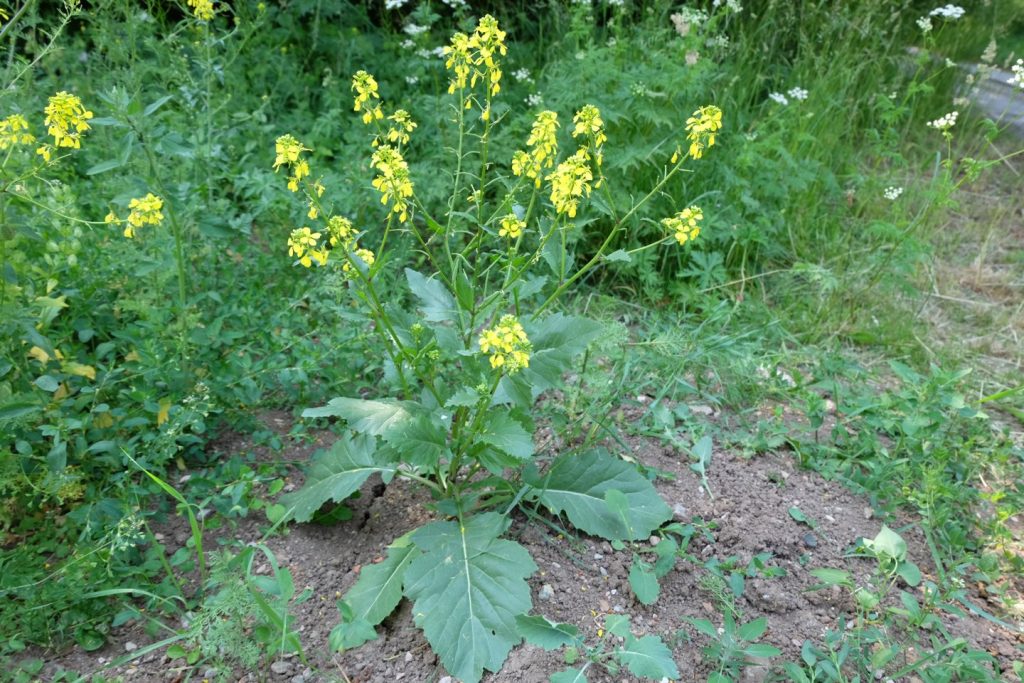
London Rocket
Sisymbrium irio
Appearance
Slender, 1–3 foot tall, yellow clustered flowers at the top, has rocket-trail like stem, and thin leaves.
Herbicide Safety
- Make sure to read the product labels.
- Wear appropriate clothing: long sleeve shirt, long pants, close-toed shoes, and goggles or glasses.
- Do not spray right before rain, during rain, wind, or the heat of the day.
- Do not mix herbicides.
- Store herbicides in a secure, cool, dry place, out of reach of children and pets.
- Let the sprayed area dry before letting children and pets resume using the area.
- Keep away from eyes and mouth, and wash your hands after handling the herbicide.
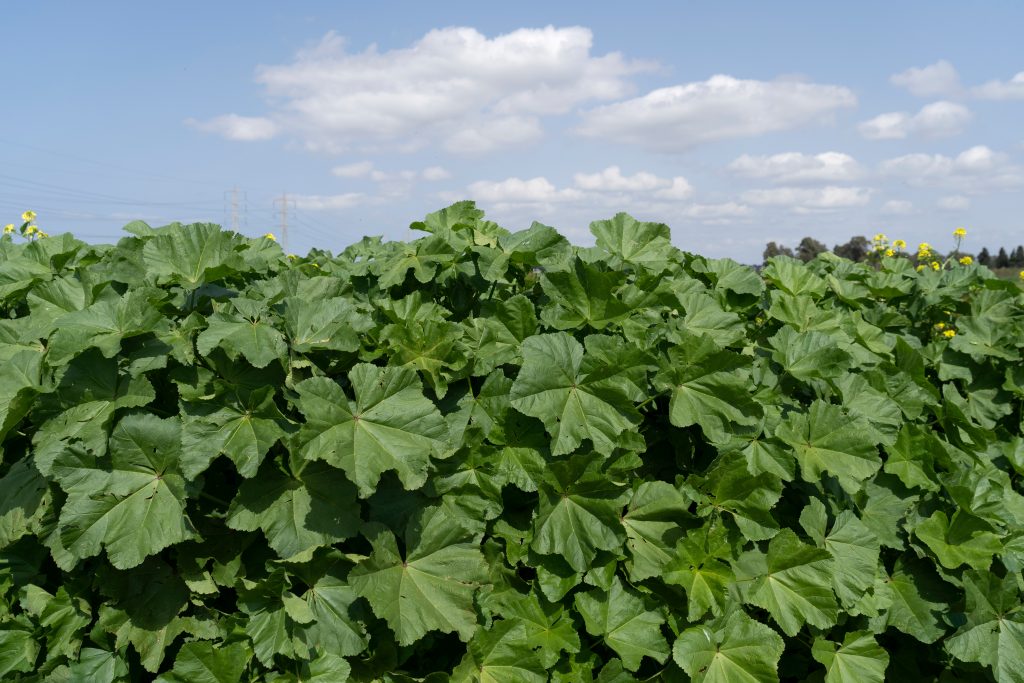
Cheeseweed
little mallow; Malva parviflora
Appearance
Has lobed, heart-shaped leaves. Grows either along the ground or can reach 2-5 ft in height.
Control
When low to the ground, hand-pulling is easy and hoeing can be used to destroy the roots.
Once older, the taproot needs to be mulched, destroyed, or entirely removed.
For large areas, herbicide use after removal during growing season and a weed preventer pre-growing season is recommended.
Recommended Herbicides
Weed Preventer – Apply in late summer/early fall (September – November):
- Bonide Captain Jack’s Deadweed Brew
- Preen Extended Control Weed Preventer
Weed Killer – Apply in late winter/early spring (February – April):
- Round-up
- Pulverize Weed, Brush, and Vine Killer
- Spectracide Weed and Grass Killer
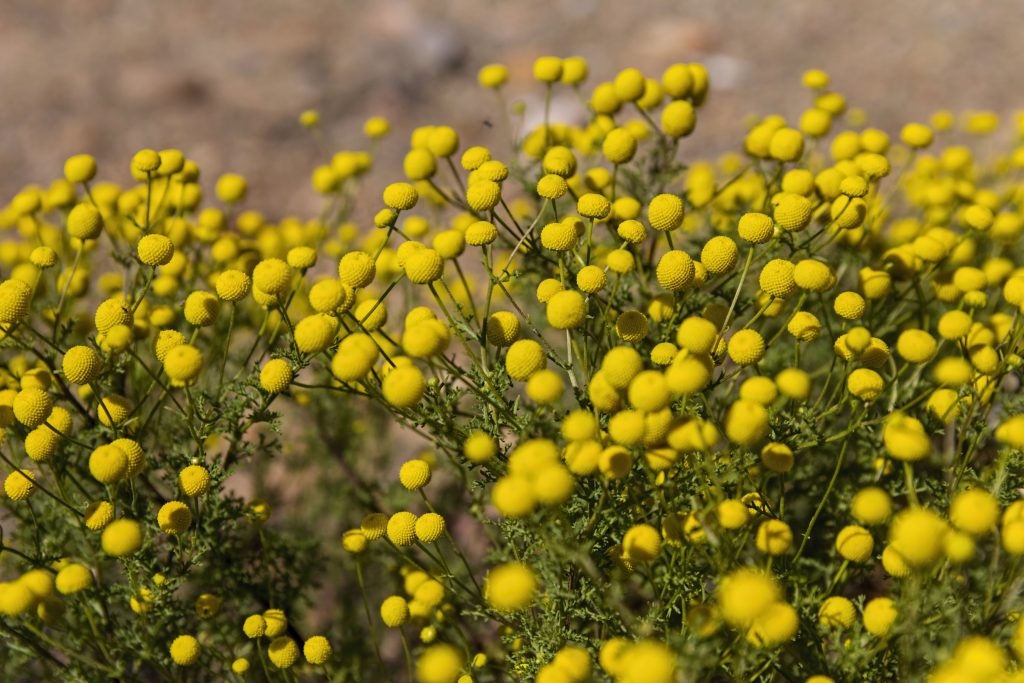
Stinknet
globe chamomile; Oncosiphon piluliferum
Appearance
Has dark green, “carrot-like” leaves with a strong odor, bright yellow and ball-shaped flowers.
Control
Hand-pull or dig out (WEAR GLOVES AND FACE PROTECTION) as soon as possible. Use a weed preventer after pulling. If large clumps are an issue, herbicides can be used.
DO NOT BURN STINKNET
Recommended Herbicides
Weed Preventer – Apply in late summer/early fall (September – November):
- Preen Extended Control Weed Preventer
Weed Killer -Apply in late fall through winter (November – February):
- Round-up
- Ortho Weed and Grass Killer
- Vinegar/Acetic Acid 10-20% – on hot, sunny days
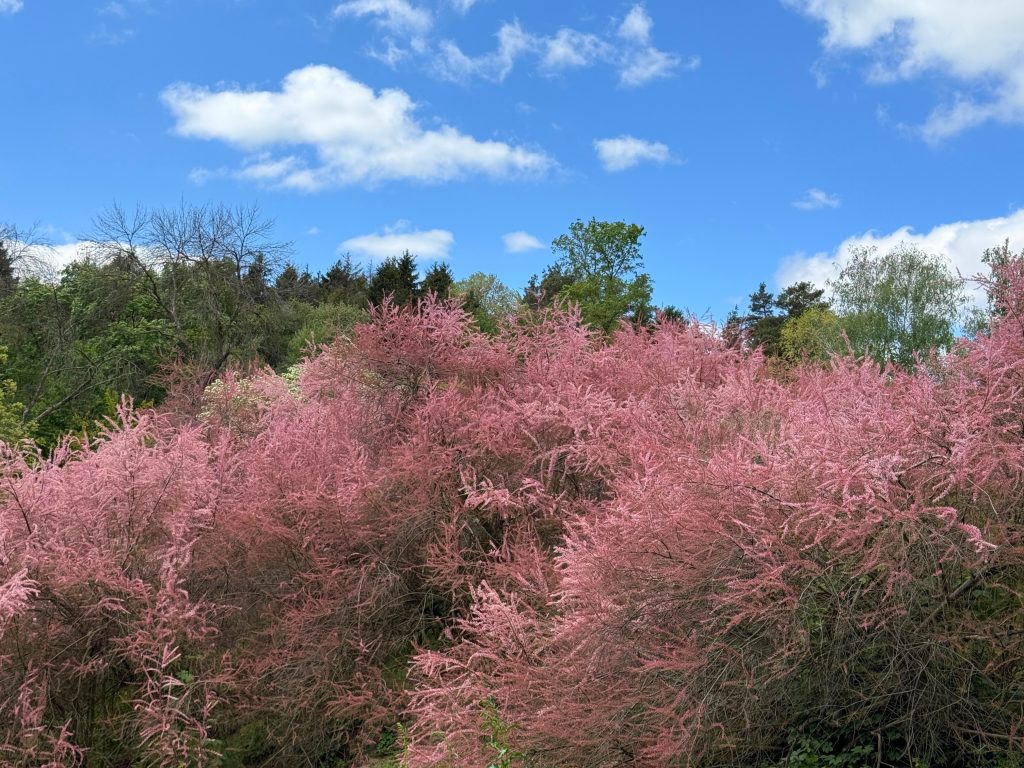
Saltcedar
Tamarix ramosissima
Appearance
A small tree/shrub with small pink flowers, reddish stems, thin and branched leaves and an oily feel.
Control
If possible, the roots should be removed/destroyed entirely. Otherwise, cut the tree as close to the ground as possible and spray with an herbicide within 30 minutes of cutting.
Recommended Herbicides
Apply in late winter/early spring (February – April):
- BrushTox with Triclopyr
- Compare-N-Save Concentrate Weed and Grass Killer
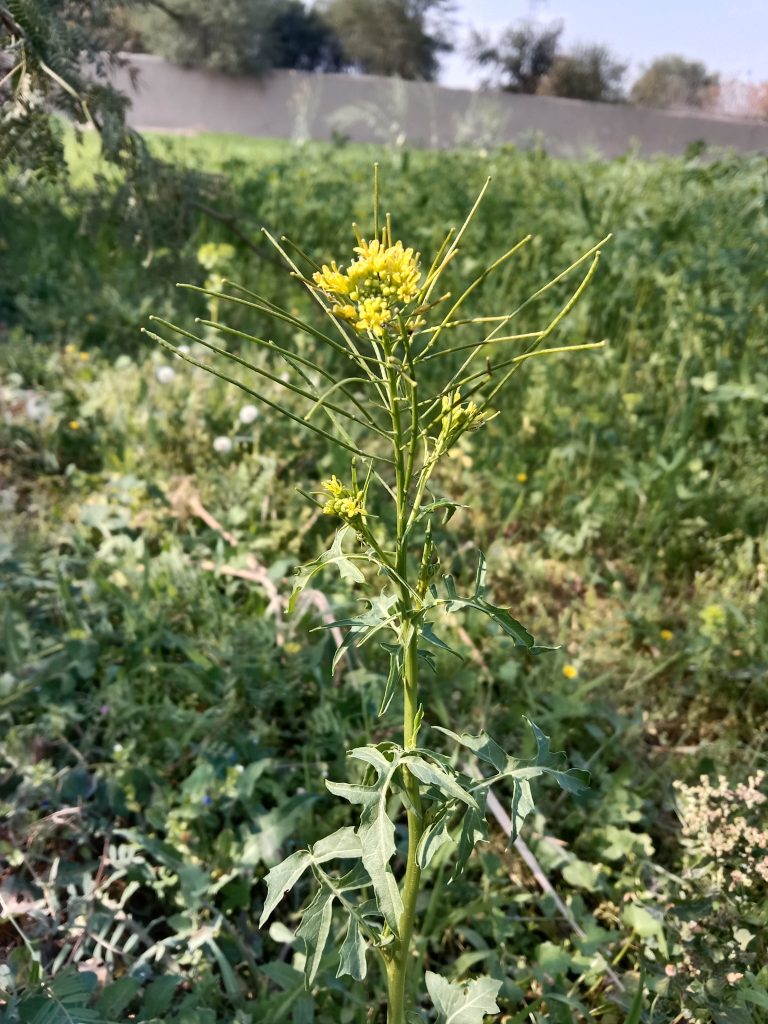
African Mustard
Asian mustar; Saharan mustard; Brassica tournefortii
Appearance
Grows 2-3 ft tall, small yellow flowers, “warty” green leaves, has long, thin, narrow seed pods.
Control
For small infestations, hand-pull, mow, or hoe as soon as possible. The ideal timing for manual removal is when plants are in the young seedling stage, before shoots appear during winter and early spring.
For large areas, herbicide use after removal during growing season and a weed preventer pre-growing season is recommended.
Recommended Herbicides
Weed Preventer – Apply in late summer/early fall (September – November):
- Pulverize Weed, Brush and Vine Killer
- Ortho Pre-Emergent Lawn Weed Killer
Weed Killer – Apply in late winter/early spring (February – April):
- Round-up
- BioAdvanced Season Long Weed Control
- Spectracide Weed and Grass Killer
- Compare-N-Save Concentrate Weed and Grass Killer